Introduction: The Difference Between Inspirational and Aspirational
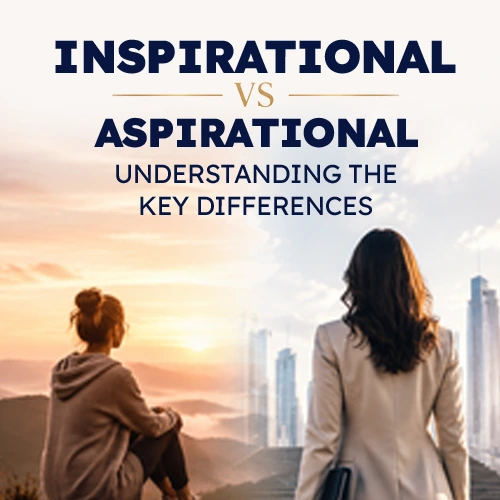
Understanding the difference between inspirational and aspirational ideas is important in today’s fast-moving world. People often use these words without realizing they carry different emotional and practical meanings. Inspiration connects deeply with feelings, while aspiration connects with goals and ambition.
In everyday life, inspiration may come from a story, a person, or a moment that changes how we feel right now. Aspiration, on the other hand, is about what we want to become in the future. It pushes us to take steps toward something bigger and more structured.
In content creation, both ideas play a strong role. Inspirational messages create emotional connection, while aspirational messages show possibilities and success paths. This is why understanding inspirational vs aspirational meaning is so useful for writers, marketers, and creators.
Even in emotional healing and personal growth, both concepts matter. A memoir like Tears That Hide Within can be deeply inspirational by sharing real emotional experiences, while life coaching often uses aspirational thinking to help people build a stronger future.
What Does “Inspirational” Really Mean?
Inspirational content is all about emotional connection and inner movement. It comes from real experiences, stories, or messages that touch the heart and create a feeling of hope or change. When something is inspirational, it speaks to who we are right now.
Inspiration often comes unexpectedly. It can be a story of struggle, kindness, or transformation. These moments help people feel understood and less alone. That is why the difference between inspirational and aspirational thinking starts with emotion versus direction.
In everyday life, inspirational messages can help people recover from difficult moments. They bring comfort, clarity, and emotional strength. They do not always focus on long-term goals but instead focus on healing and awareness in the present moment.
In content and storytelling, inspiration works best when it feels real and relatable. People connect more with truth than perfection. This is why inspirational vs aspirational examples often show real human struggle for inspiration.
What Does “Aspirational” Mean in Modern Culture?
Aspirational thinking is future-focused. It is about goals, dreams, and the life a person wants to build. Unlike inspiration, which connects with emotion, aspiration connects with direction and ambition.
In modern culture, aspirational content is everywhere. It shows success, lifestyle goals, career achievements, and personal growth paths. It encourages people to imagine a better version of themselves. This is a key part of inspirational vs aspirational meaning in marketing and media.
Aspirational thinking is often used in goal-setting. It helps people plan, structure, and move toward success. It is less about emotional reaction and more about long-term vision and discipline.
In social media and branding, aspirational content is used to show possibilities. It helps audiences dream bigger and take action toward improvement. This is where aspirational vs inspirational content becomes a powerful communication tool.
Feature Article: What Does Healing Look Like: A Realistic Guide to Emotional and Trauma Recovery
Key Differences Between Inspirational and Aspirational: Breaking It Down
The difference between inspirational and aspirational lies mainly in emotion, time focus, and purpose. Inspiration connects with feelings in the present, while aspiration focuses on future goals and achievements.
Emotional vs Goal-Oriented Focus
Inspirational content is built around emotion and personal experience. It often reflects real struggles, lessons, or moments that help people feel understood in the present. It does not always push toward a fixed target but instead focuses on comfort, meaning, and emotional support. Aspirational content, on the other hand, is structured around goals and outcomes. It pushes people to think about where they want to go in life, such as career success, lifestyle upgrades, or personal achievement. This creates a forward-moving mindset. The difference between inspirational and aspirational thinking is that one heals the present while the other builds direction for the future. Both are powerful, but they influence human behavior in very different ways.
Present Impact vs Future Vision
Inspirational communication works instantly on emotions, often producing immediate psychological shifts in affective state emotional impact. It can change how someone feels in a moment by offering hope, comfort, or clarity through relatable experiences. It helps people process what they are going through right now. Aspirational communication focuses more on the future. It builds a mental picture of what life could look like with effort, planning, and discipline. Instead of emotional relief, it creates motivation to move forward. This is a key part of the difference between inspirational and aspirational approaches in communication and personal development. One brings emotional grounding in the present, while the other builds long-term vision and direction for growth.
Storytelling vs Vision Building
Inspirational content often relies on storytelling. It shares real experiences, personal struggles, and meaningful life lessons that people can emotionally connect with. These stories make content feel human and relatable. They are commonly used in blogs, speeches, and real-life testimonials. Aspirational content is more focused on vision building. Instead of telling what happened, it shows what is possible in the future. It creates a mental image of success, lifestyle change, or achievement. This is often seen in advertising and personal development content. In inspirational vs aspirational examples, storytelling connects hearts, while vision building shapes ambition and future thinking in a structured way.
Emotional Healing vs Motivation Drive
Inspiration plays a strong role in emotional healing. It helps people recover from stress, loss, or confusion by offering comfort and understanding. It reassures them that they are not alone in their journey. This emotional support builds inner strength and stability. Aspirational content, however, focuses on motivation and action. It encourages discipline, planning, and continuous effort toward personal or professional goals. Instead of healing emotions, it activates ambition. Both are essential in personal growth because they serve different needs. Inspirational content restores emotional balance, while aspirational content pushes people toward progress and achievement in a structured and goal-focused way.
Feeling vs Becoming
Inspirational content helps people feel better in the present moment. It improves emotional state, reduces stress, and creates a sense of peace or understanding. It is often reflective and emotionally supportive. Aspirational content, however, focuses on becoming something more in the future. It encourages growth, improvement, and transformation over time. Instead of just changing how someone feels, it changes how they act and plan. This balance is central in modern aspirational vs inspirational content strategies. One improves emotional well-being now, while the other builds identity and direction for the future, making both essential in personal and professional development.
Feature Article: Why Is Self Development Important and How It Shapes a Meaningful Life
Inspirational vs Aspirational in Content Creation: What’s the Difference?
In content creation, understanding inspirational vs aspirational meaning helps creators connect better with their audience. Both styles are widely used in blogs, videos, and social media posts, but they serve different purposes.
Emotional Storytelling in Inspirational Content
Inspirational content uses emotional storytelling to build connection. It focuses on real-life struggles, transformation, and human experiences. This helps audiences feel understood and supported, especially during difficult times.
Visual Success in Aspirational Content
Aspirational content uses visuals of success, lifestyle, and achievement. It shows what is possible and motivates people to aim higher. This is often used in aspirational vs inspirational content strategies on social platforms.
Audience Connection Styles
Inspirational content connects through empathy. Aspirational content connects through desire. Both create engagement but in different emotional ways.
Platform Usage Differences
On platforms like Instagram or YouTube, inspirational content often appears in storytelling posts, while aspirational content appears in lifestyle reels or success-focused videos.
Content Strategy Balance
Successful creators use both styles together. This balance improves engagement and strengthens messaging across all platforms.
Feature Article: 15 Inspirational Books for Women That Transform Lives
How to Use Inspirational vs Aspirational Marketing to Build Stronger Brands
In marketing, understanding aspirational vs inspirational marketing helps brands connect with audiences on deeper levels. Both approaches influence how people feel and what they want to achieve.
Emotional Branding Through Inspiration
Inspirational marketing focuses on emotional storytelling that connects with people on a deeper level. It is not about selling first; it is about building trust through real human experiences. Brands share relatable moments, struggles, and victories so audiences can feel understood. This approach creates emotional comfort and loyalty over time. When people see honesty in a brand’s message, they naturally feel more connected. Inspirational branding works best when the goal is long-term relationship building rather than quick sales or pressure-based marketing.
Desire Building Through Aspiration
Aspirational marketing focuses on future goals, success, and lifestyle improvement. It shows customers what they could become if they choose a product or service. This style often highlights luxury, achievement, confidence, and progress. Instead of reflecting the present, it paints a picture of the future. People are drawn to it because it motivates action and self-improvement. It works especially well in fashion, fitness, business, and lifestyle industries where transformation is a key selling point.
Combining Emotion and Vision
The strongest marketing strategies combine both inspiration and aspiration in a balanced way. Inspiration builds emotional trust, while aspiration creates direction and desire. When used together, they help audiences feel understood and motivated at the same time. A brand might first connect through a real emotional story, then show how life can improve with their product. This combination strengthens engagement and improves customer relationships. It makes marketing feel human while still encouraging growth, action, and long-term brand loyalty.
Social Media Strategy Use
On social media, brands carefully mix inspirational vs aspirational content to reach different audience mindsets. Inspirational posts often include stories, testimonials, and real-life struggles that create emotional engagement. Aspirational content, on the other hand, focuses on success, transformation, and lifestyle goals. Together, they keep the audience engaged and motivated. Platforms like Instagram, TikTok, and YouTube are ideal for this balance because they support both storytelling and visual lifestyle content. A strong strategy uses both to maintain attention and drive engagement.
Conversion and Loyalty Impact
Inspiration plays a key role in building long-term customer loyalty because it creates emotional trust. People return to brands they feel connected with. Aspiration, however, is powerful for driving immediate action, as it encourages people to improve their lives. When combined, they create a full marketing cycle, emotion builds loyalty, and vision drives conversion. Brands that use both approaches effectively see stronger engagement, higher retention, and better overall growth. This balance is essential for sustainable marketing success in competitive markets.
How to Embrace Inspirational vs Aspirational Goals in Your Personal Life
Balancing inspiration and aspiration in personal life helps create emotional strength and clear direction. Inspirational thinking helps you heal and understand yourself. Aspirational thinking helps you grow and move forward.
Inspiration is often the first step in change. It comes from stories, experiences, or emotions that shift your mindset. It helps you feel ready for something new.
Aspiration comes next. It turns emotional change into structured goals. It gives direction and helps you build a plan for the future.
When both are combined, they create powerful personal development. You feel emotionally strong and mentally focused at the same time.
This balance also helps in reclaiming strength after difficult experiences and building a healthier mindset for long-term growth.
Feature Article: Top 50 Powerful Self Development Quotes for Growth
Final Thoughts
Understanding inspirational vs aspirational thinking gives clarity in how we communicate, grow, and connect with others. Inspiration helps us feel, while aspiration helps us achieve. Both are essential for emotional balance and personal success. When used together, they create powerful storytelling, branding, and life direction. Whether in content creation or personal growth, knowing how to use both helps you build stronger meaning, deeper connection, and long-term purpose.
FAQs
What is the difference between inspirational and aspirational content?
Inspirational content focuses on emotional connection, while aspirational content focuses on future goals and success.
Can aspirational content be inspirational?
Yes, aspirational content can also inspire by showing what is possible and motivating change.
Which is more important for goal-setting: inspiration or aspiration?
Aspiration is more important for goal-setting, while inspiration supports emotional motivation.
What are some examples of aspirational marketing?
Luxury lifestyle ads, fitness transformation ads, and success-based branding are examples.
How can I create both inspirational and aspirational content for my brand?
Use emotional storytelling for inspiration and future-focused messaging for aspiration.


 Blogs
Blogs  Blogs
Blogs  Blogs
Blogs  Blogs
Blogs  Blogs
Blogs  Blogs
Blogs